Gardening Services in Paddington
Gardening services in Paddington should make outdoor spaces easier to manage, neater to use and more consistent through the seasons. Our work can include regular garden maintenance, hedge trimming, lawn mowing, planting care and general tidy-ups, with attention to the detail that keeps a small courtyard, shared frontage or larger family garden looking looked after. We focus on practical horticultural tasks that support healthy growth, tidy edges and an orderly finish.
For many properties, the main need is not a dramatic redesign but reliable ongoing care. That can mean cutting back overgrowth, keeping grass at an even height, shaping hedges cleanly and removing fallen material before it starts to collect. We can also help with seasonal jobs such as leaf clearance, bed refreshes and preparation for new planting, depending on what the garden requires.
Use this homepage to see the core services we provide in Paddington and decide which tasks matter most for your own outside space. If you are comparing options, a clear request with a few details is the easiest place to begin. Tell us what needs attention and we can talk through the most suitable service combination.
Garden Maintenance for Regular Care
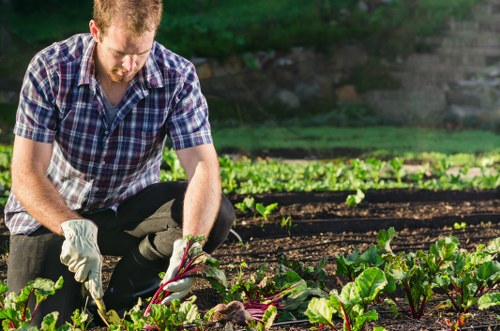
Garden maintenance works best when it is planned around the condition of the space rather than treated as one fixed routine for every property. Some gardens need frequent mowing and edging, while others benefit more from pruning, weeding and clearing spent growth from beds and borders. Our maintenance work is designed to keep the space manageable, balanced and tidy without stripping away the character of the planting.
We can look after the visible details that make a strong first impression: crisp lawn edges, controlled hedge lines, weed removal from paving and borders, and general tidying after wind or seasonal drop. Where planting is already established, careful maintenance helps avoid damage to stems, roots and new growth. This is especially useful when the garden includes a mix of soft planting and hard surfaces.
When planning regular maintenance, it helps to think about what the garden actually needs rather than simply how often it is visited. A few jobs may be enough for a compact plot, while a more varied space may need several tasks completed together. A brief description of the area and any priority jobs will usually make the next step more straightforward. Tell us what needs doing and we can prepare a quotation.
Hedge Trimming and Controlled Shaping
Hedge trimming is about more than reducing height. Good trimming keeps growth dense, supports a neat outline and prevents hedges from encroaching on paths, boundaries and planting beds. We can shape hedges to suit their role in the garden, whether they are used as a screen, a boundary feature or a clipped ornamental edge. Accurate cutting helps the hedge stay tidy without looking harsh or uneven.
Different hedge types need different treatment, and timing can matter as much as the cut itself. Some hedges respond well to light, regular shaping, while others are better handled with more selective reduction and cleanup. We can trim sides, tops and faces as needed, then remove the clippings so the area is left ready to use. The aim is a clean, sensible finish rather than unnecessary cutting.
If a hedge has become too broad, too tall or simply untidy after a period of growth, we can assess the work required and describe the options clearly. For hedge work, access and surrounding planting are often important considerations, especially where the hedge sits close to a wall, fence or paved route. A short note about the hedge length and general condition is usually enough to begin.
Lawn Mowing and Tidy Turf Care
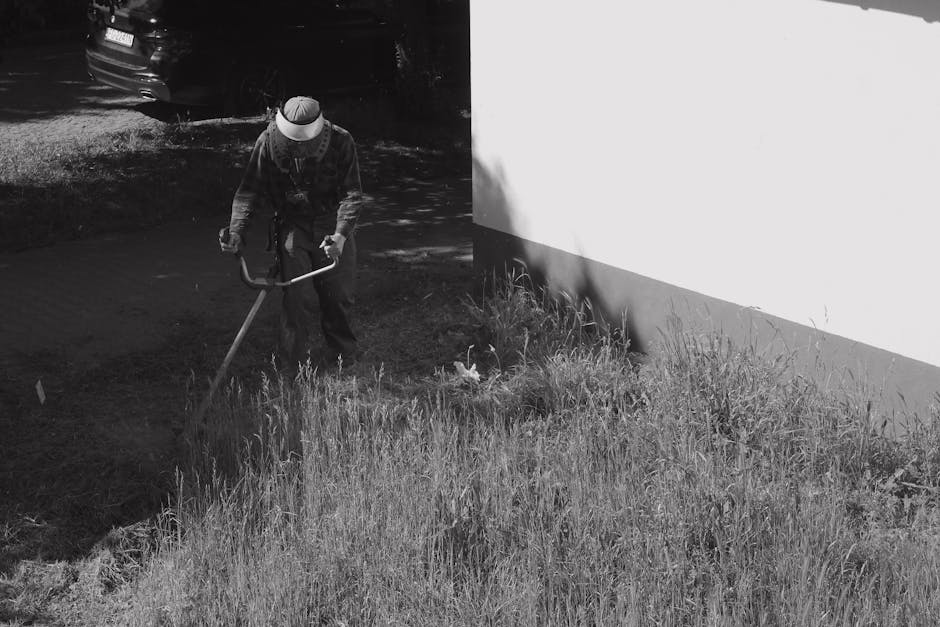
Lawn mowing remains one of the most useful services for keeping a garden orderly, especially where the turf forms the main open area. A well-cut lawn can make the whole space feel more intentional and easier to maintain. We can mow to a sensible height for the season and the condition of the grass, then finish edges so the lawn connects neatly with paths, borders and other features.
Healthy-looking turf usually depends on more than just cutting. Regular mowing helps prevent the grass becoming coarse or uneven, and edging keeps the outline sharp. In some gardens, the mowing pattern also needs to work around stepping stones, trees, slopes or narrower sections that cannot be handled with a simple pass. Those details matter because they affect both the appearance and the practicality of the finish.
Where needed, mowing can be grouped with weed control in paved areas, border tidying or leaf removal so the garden is left in a more complete state. Small adjustments often make a noticeable difference, particularly in front gardens and shared outdoor approaches. If you would like to keep the lawn under control through the season, ask for a quotation and we can outline the service scope.
Garden Clearance for Heavier Tidy-Up Work
Garden clearance is useful when a space has become cluttered with cuttings, dead material, overgrown growth or mixed debris that needs removing before the area can be used properly again. This kind of work often requires a more systematic approach than routine maintenance. We can clear accumulated organic waste, reduce unruly growth and make the garden easier to inspect and manage afterwards.
Clearance may involve more than one task, especially where a section has been left for some time. Dead stems may need cutting back, self-seeded growth may need removing and borders may need opening up so the useful parts of the garden are visible again. We work in a way that supports a clean result while taking care around any remaining plants, hard landscaping or structures that are meant to stay in place.
Some customers prefer a one-off clearance before moving on to regular maintenance, while others need the garden brought back to a manageable baseline first. Either way, a simple explanation of the condition of the space helps set the right scope. If you need the clutter reduced and the garden made more usable, we can provide a quotation based on the work involved.
Landscape Gardening and Garden Improvement

Landscape gardening brings together practical changes and planting-led improvements to reshape how an outdoor space works. In a Paddington setting, that might mean refreshing tired beds, defining borders, improving planting structure or making better use of a compact area with a more ordered layout. We can support changes that make the garden more coherent, easier to maintain and better suited to the way it is used.
Some projects are simple and focused, while others involve a broader reworking of the planting and surface areas. Useful landscape gardening often starts by deciding which parts of the space should remain, which parts need replacing and how the finished garden should feel. Our approach is to keep the work grounded in what the site can realistically support, with attention to drainage, access and existing features.
Where planting is being refreshed, the choice of species and layout matters because different plants suit different levels of sun, shade and maintenance. We can work through the practical decisions that shape the final result and keep the plan realistic. That includes helping customers choose between simple improvement work and a more involved reconfiguration. If you would like to explore the options, request a quotation and we can discuss the likely scope.
About Paddington
Paddington is a district in west central London, best known for its transport links, canal-side routes and long association with the Paddington basin area. The name has roots in the old parish and village that predated the modern urban district, and the area later developed rapidly with the growth of the railway age. Paddington station, opened by the Great Western Railway in the 19th century and since rebuilt and expanded in stages, remains one of its defining landmarks, bringing together rail, Underground and national connections. The district is also closely linked with the Regent’s Canal and the network of waterside paths around Little Venice and Paddington Basin, where boats, bridges and redevelopment sit alongside older residential streets. Much of the built environment reflects London’s layered history: terraces, mansion blocks, grand hotel fronts and later commercial developments sit near one another, while garden squares and tree-lined streets soften parts of the urban grain. Nearby Hyde Park and Kensington Gardens add a large open landscape to the wider area, and the local street pattern still shows traces of earlier settlement and planning. Cultural references also help define the district, from its association with Paddington Bear to the busy everyday life around the station, shopping streets and waterside offices. Taken together, these elements make Paddington a place where transport, housing, commerce and green spaces intersect in a dense but recognisable urban character.
Planting, Borders and Seasonal Colour

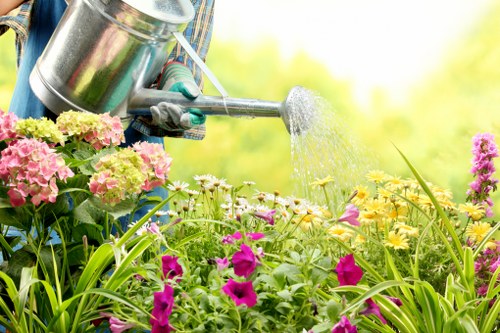
Planting work helps a garden feel finished, not just maintained. Borders benefit from structure, spacing and seasonal interest, especially where one area currently looks thin, uneven or overrun by stronger plants. We can work on border tidying, selective pruning and new planting arrangements that better suit the available light and the desired level of upkeep. The aim is to keep the planting practical as well as attractive.
Seasonal colour can be introduced without making the garden harder to manage than necessary. That might mean replacing tired annuals, opening space for healthier growth, or choosing plants that support a cleaner and more balanced border line. In smaller urban gardens, carefully arranged planting often does more than an expansive scheme because each section has to contribute to the whole without crowding the space.
A well-planned border also improves the way the rest of the garden is maintained. If plants are spaced sensibly, edging becomes easier and the lawn or paving nearby stays clearer. That practical benefit is often just as important as appearance. Useful planting should look good and remain manageable.
Tree Lopping, Reduction and Safe Removal
Tree work needs careful judgement because cutting too much, too little or in the wrong place can affect the tree’s shape and long-term health. We can assist with lopping, selective reduction and removal where the work is appropriate for the site and the tree’s condition. The purpose is to improve clearance, reduce excess weight where needed and manage growth in a controlled way.
Trees in domestic gardens often need attention because they have outgrown their space, are shading other planting or are interfering with structures, paths or access routes. In those cases, the work can involve pruning back branches, reducing density or removing a tree that is no longer suitable for the location. Careful handling matters, especially near fences, garden buildings and adjacent planting.
Because tree work varies so much, a useful quotation depends on clear information about size, access and the kind of result needed. It is also important to allow for the safe handling of arisings and the condition of nearby surfaces. If a tree is causing problems in the garden, send the key details and we can advise on the most suitable service.
Preparing for a Quotation

When requesting a quotation, it helps to describe the service you need in plain terms: mowing, trimming, clearance, planting, tree work or a combination of these. A short note about the size of the garden, the general condition and any access considerations gives a clearer picture of the work involved. If there are sections you particularly want kept intact, that should be mentioned as well.
Photographs can also be useful because they show the layout, the level of growth and the relationship between planting, paving and boundaries. If you already know whether the job is one-off or ongoing, that is worth including too. Clear information tends to make the quotation process more precise, which helps avoid assumptions and keeps expectations aligned with the actual work required.
For gardening services in Paddington, the next step is simple: tell us what needs attention and ask for a quotation. You can keep it brief and still be specific enough to begin. We will then look at the likely scope and respond with an appropriate proposal.
Pricing Factors and Service Scope
Garden work is usually priced by the nature of the task rather than by a single standard formula. The amount of growth, the variety of work involved, access to the space and the disposal requirements can all influence the scope of the job. A straightforward mow is different from a combined visit that includes hedge trimming, border cleanup and waste removal, so the details matter.
Some gardens are best handled in stages. For example, a neglected area may need an initial clearance before maintenance can take over, while an established garden may only need targeted seasonal attention. We can help identify which tasks belong together and which are better separated, so the work remains sensible and efficient rather than being squeezed into an unsuitable plan.
If you are comparing options, focus on the work you want completed rather than trying to guess a fixed formula. The most useful quotation usually comes from a clear outline of tasks and priorities. That makes it easier to match the service to the garden, not the other way around.
Keeping a Garden Manageable Through the Seasons
Gardens change through the year, and a sensible maintenance plan takes that into account. Growth is faster in some months, while other periods are more suited to cutting back, clearing leaves or refreshing beds. Regular attention helps prevent the garden from drifting into a state where the same issues keep recurring, especially when hedges, lawns and planting all need different kinds of care.
In practical terms, keeping a garden manageable is about making decisions early. A hedge that is trimmed before it spreads too far is easier to shape than one left until it has become bulky. A lawn that is mown consistently usually stays more even than one left to grow too long. Seasonal tidying also reduces the amount of work needed later, because fallen material and dead growth do not have time to build up.
Good gardening is therefore part regular upkeep and part timely intervention. Whether the need is ongoing maintenance or a more substantial reset, we can support the tasks that keep the space usable, balanced and presentable. If you are ready to take the next step, request a quotation and we will help set out the work clearly.