Avoid hidden gardeners charges in Paddington what to know
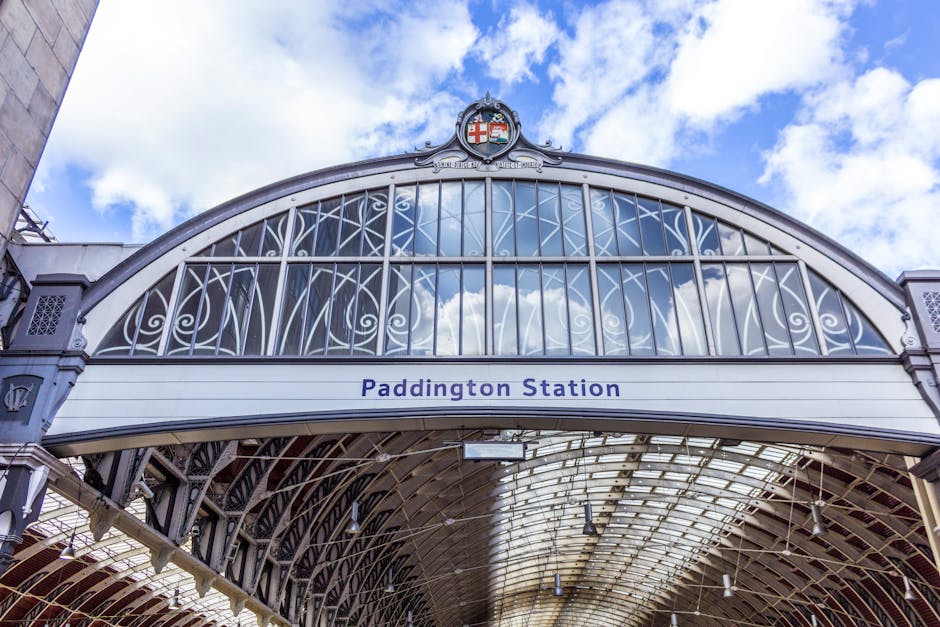
If you are trying to avoid hidden gardeners charges in Paddington what to know before you book, you are already asking the right question. A garden quote can look tidy on paper and still swell once the work starts: a bit extra for waste, a bit extra for access, a bit extra because the lawn was "worse than expected". It happens. And in a busy area like Paddington, where properties can have tight access, shared entrances, basement gardens, or awkward rear lanes, those little add-ons can creep in fast.
This guide breaks down what those charges usually are, how to spot them early, and how to compare quotes without getting caught out. You will also find practical steps, a simple checklist, and a plain-English look at the kind of terms worth reading carefully before you agree to anything. No drama, no jargon. Just the things that actually help.
Why Avoid hidden gardeners charges in Paddington what to know Matters
Hidden gardening charges are not always sneaky in the dramatic sense. Often they are just badly explained. A quote might cover labour for a set time, but not disposal, parking, materials, or extra time needed to reach a rear garden. The problem is that the customer sees one number and assumes that is the full number. Then the invoice arrives and suddenly the garden tidy-up feels a bit less tidy.
In Paddington, this matters more than people think. The mix of mansion blocks, terraced homes, flats with communal access, and compact mews gardens can make even straightforward jobs more complex. A mower may be easy to use in a front garden, but not when equipment has to be carried through a building, down steps, or through a shared hallway at 8am. That is where extra charges can appear if the scope was never properly agreed.
It also matters because garden work is often repeat business. If you are arranging regular garden maintenance, small pricing surprises can add up over a season. A one-off misunderstanding is annoying. A recurring one is expensive. Truth be told, the best way to save money is not always choosing the lowest quote. Sometimes it is choosing the clearest one.
Expert takeaway: the safest quote is the one that explains exactly what is included, what is excluded, and what would trigger an extra cost before the first spade hits the soil.
How Avoid hidden gardeners charges in Paddington what to know Works
Most hidden charges show up in one of four places: the quote, the job start, the job finish, or the invoice. The quote looks fine, but it may use broad words like "from", "subject to inspection", or "extras apply". That is not always a red flag. It is just a sign to ask better questions.
Here is the basic pattern. A gardener estimates the work based on what you describe. If the site is larger, messier, more overgrown, or harder to access than expected, the final price changes. That can be fair, provided you knew the rules in advance. The issue is when the change is explained only after the work is underway. A bit late then, isn't it?
Good gardeners will normally separate the main job from variable items. For example, a lawn mowing visit may be priced on lawn size and frequency, while hedge waste, heavy pruning, or removal of old garden debris could be charged separately. If you need a bigger clearance job, a service such as garden clearance may involve waste handling and labour that are not identical to a simple tidy-up.
The clearest quotes often break the job into:
- labour or visit fee
- materials, if any
- waste collection or recycling costs
- parking or access-related charges
- call-out minimums or minimum booking times
- extra work approved during the visit
That level of detail is not overkill. It is just the difference between an informed decision and an awkward surprise.
Key Benefits and Practical Advantages
Getting pricing clarity is not only about avoiding a bad experience. It also makes the whole process smoother from the first call to the final sweep-up. You know what you are paying for, the gardener knows what to bring, and nobody wastes time arguing over a leaf pile. Small thing, big difference.
Here are the main benefits of checking for hidden charges early:
- Better budget control: you can compare quotes fairly, not just by headline price.
- Fewer disputes: everyone understands the scope before work starts.
- Less disruption: the team arrives ready with the right tools and enough time.
- More accurate scheduling: if the job is bigger than expected, it can be planned properly rather than rushed.
- Better quality: clear scope helps the gardener focus on doing the job well rather than defending the invoice later.
There is also a trust benefit that people often overlook. Once a gardener explains pricing clearly, it usually tells you something about how they work generally. If they are upfront about waste, access, and timing, they are more likely to be upfront about the rest too. That matters when you are handing over access to a property, especially if you are not going to be there in person.
If you are comparing different services, it can help to understand how the business presents its wider offer. A page like services overview can give you a cleaner picture of what is available, while pricing and quotes is the natural place to check how estimates are handled.
Who This Is For and When It Makes Sense
This guide is for anyone who has ever looked at a gardening quote and thought, "That seems okay... but what am I missing?" In Paddington, that includes a lot of people:
- homeowners with small but busy gardens
- landlords arranging periodic tidy-ups between tenancies
- tenants who need to leave a garden in good order
- flat owners with courtyard, patio, or shared outdoor spaces
- property managers overseeing several addresses
- older residents who want reliable maintenance without awkward add-ons
It especially makes sense when the job involves more than a light trim. Think overgrown hedges, mixed green waste, trees near boundaries, deck cleaning, or a long-neglected back garden that has become a bit of a jungle after winter. If a contractor needs to spend extra time on access, waste removal, or setting up safely, the quote should say so in plain English.
It also makes sense when you need a one-off service and do not yet have an ongoing relationship with the gardener. Regular customers often know the normal rhythm of the work. New customers do not. So if you are booking for the first time, ask more questions than you think you need. Slightly awkward for a minute, yes. Worth it? Absolutely.
Step-by-Step Guidance
If you want to avoid surprise charges, use a simple process. Nothing fancy. Just a disciplined way to compare quotes and confirm the details.
- Describe the garden properly. Mention size, access, how overgrown it is, and whether waste needs removing. A quick text like "small rear garden, waist-high weeds, narrow side access" helps more than a vague "needs a tidy".
- Ask what the price includes. Is it labour only? Does it cover pruning, edging, sweep-up, and disposal? If you need hedge work, clarify whether hedge trimming is priced separately from general maintenance.
- Ask what could increase the cost. This is the question people skip. Ask directly: what would count as extra work, and how would you approve it?
- Check access and parking assumptions. In Paddington, access can affect timing and cost more than the actual planting or cutting. If the team needs to carry tools a long way, say so early.
- Confirm waste handling. Green waste, soil, broken pots, old fencing, or timber often do not all fall under the same fee. If you are planning a bigger tidy, ask whether garden clearance is more suitable than a maintenance visit.
- Get the quote in writing. Email is ideal. Even a short written summary is better than a phone conversation you will not remember exactly later.
- Read the terms carefully. If a business has clear terms and conditions, read the sections on cancellations, extra work, payment timing, and any minimum charge.
- Confirm before extra work starts. If the gardener discovers something additional, ask them to pause and confirm the cost before going ahead.
That is the whole game, really. Clear scope. Written confirmation. No assumptions. A little boring, perhaps, but boring is good when it saves money.
Expert Tips for Better Results
Here are a few practical tips that make a real difference in the real world, not just on paper.
1. Use photos before the first visit. A few clear pictures of the lawn, hedges, borders, and access route can prevent half the misunderstandings straight away. Morning light is best; late afternoon shadows can hide more than they reveal.
2. Separate routine work from one-off work. A regular mow or light tidy should not be priced like a full-scale rescue mission. If the garden has gotten out of hand, say so. If it is just a quick refresh, say that too.
3. Ask about equipment handling. Some jobs require specialised tools, extra labour, or more time to move equipment through a property. That does not mean the charge is unfair. It means it should be explained.
4. Be cautious with "from" prices. A "from GBPX" quote is not automatically bad. But you need the upper conditions. What causes the price to move up? How much? At what point does the quote become a new job altogether?
5. Match the service to the task. A general tidy-up is not the same as tree work or landscaping. If you need something bigger, ask whether a specialist job is more appropriate, such as tree lopping and removal or landscaping. The right service usually means fewer surprises later.
6. Keep communication short and clear. Long explanations are not always better. A simple message like "Please confirm waste disposal is included and any access charges before booking" is often enough.
One small but useful habit: after the visit, compare the work done against the agreed scope while it is still fresh in your mind. Five minutes. That is all. The smell of cut grass and the sound of the van leaving can make everything seem finished, but it is the last sensible moment to flag a mismatch.
Common Mistakes to Avoid
Most charge-related problems are not dramatic scams. They are ordinary misunderstandings that could have been avoided with a few sharper questions. Here are the common ones.
- Choosing by headline price only. The cheapest quote can become the most expensive once "extras" are added.
- Not describing access properly. If the gardener must walk gear through a building or across a long route, that may change the price.
- Ignoring waste disposal. Green waste, branches, and bulky debris often need separate handling.
- Assuming hedge work, lawn work, and clearance are interchangeable. They are not. Each has a different labour profile and risk level.
- Skipping the written confirmation. A verbal agreement is easy to misremember, especially when you are busy.
- Not asking what triggers an extra charge. This is the big one. If you ask only one question, make it this one.
- Agreeing to extra work on the spot without a price. Even small add-ons can stack up quickly.
And yes, it can feel a bit awkward to keep questioning the price. But you are not being difficult. You are being sensible. There is a difference.
Tools, Resources and Recommendations
You do not need specialist software to avoid hidden charges. A few simple tools will do the job well.
- Phone photos: take clear images of the garden from different angles before requesting a quote.
- Measurement notes: rough dimensions for lawn areas, hedge lengths, or patio space help produce more accurate estimates.
- A short comparison sheet: list each quote, what it includes, exclusions, waste disposal, and payment terms.
- Email trail: keep the agreed scope in writing so both sides can refer back to it.
- Service breakdown pages: use the company's own service information to understand whether the job is better matched to garden maintenance, lawn mowing, or something larger.
It can also help to choose a provider that publishes its operational standards clearly. Pages such as insurance and safety, payment and security, and recycling and sustainability give you a sense of how carefully the business handles the less visible parts of the job. That matters more than many people realise.
If you want to understand who is behind the service, about us can be useful too. A business that explains its values and working style openly often makes the rest of the decision easier.
Law, Compliance, Standards, or Best Practice
We need to be careful here. Pricing disputes are not usually about one dramatic law; they are usually about unclear terms and weak communication. In the UK, the practical expectation is straightforward: a business should not mislead you about what is included in the price, and it should make key terms available before you commit. That is common sense, but it is also the basis of fair trading.
For gardening work, best practice usually means:
- clear written quotes where possible
- transparent exclusions for waste, materials, and access difficulty
- reasonable notice before any extra work is carried out
- payment terms that are explained in advance
- safe working methods, especially where tools, ladders, or tree work are involved
Health and safety also matters. If the job involves heavy clearing, tree cutting, or working close to boundaries, a professional should be thinking about safe access, protective equipment, and the physical layout of the site. That is one reason it is sensible to look at a company's health and safety policy before booking a more complex job.
If something goes wrong, a proper complaints route helps. Not because anyone wants a dispute, but because good businesses have a process for fixing mistakes. You can also check whether they explain how to raise concerns via a complaints procedure. That is a quiet sign of professionalism, and honestly, it reassures people.
Accessibility is worth mentioning too. If you or someone in the household has specific access needs, a business should be willing to discuss them clearly. A visible accessibility statement is not just a formal page. It shows the company has considered different customer needs, which is a good sign in any service business.
Options, Methods, or Comparison Table
Different kinds of garden work create different charge risks. The best way to reduce surprises is to match the job type to the pricing method.
| Service type | How it is often priced | Common hidden-cost trigger | What to confirm first |
|---|---|---|---|
| Routine maintenance | Hourly or fixed visit rate | Overgrown areas or extra time on site | What tasks are included each visit |
| Lawn mowing | Per visit or by lawn size | Long grass, uneven ground, difficult access | Whether edging and collection are included |
| Hedge trimming | By length, height, or time | Height, thickness, and waste volume | Whether disposal and tidy-up are extra |
| Garden clearance | Usually by volume and labour | Mixed waste, heavy items, access issues | What can be removed and how waste is handled |
| Tree work | By complexity, size, and risk | Specialist equipment and safety requirements | Scope, access, and whether the quote is fully inclusive |
If your job sits between two categories, say so early. A good example is a garden that needs both mowing and major clear-up. That is not just a mow. It is a mix of tasks, and the price should reflect that honestly.
Case Study or Real-World Example
Here is a realistic scenario. A Paddington resident books a spring tidy-up for a small rear garden. The garden looks manageable from the front, but the rear access is narrow and the back path is cluttered with pots, broken branches, and wet leaves from the last few weeks of rain. Nothing outrageous. Just one of those gardens that looks calm until you step into it.
The first quote is low. Very low. It covers "basic tidy and mow". But it does not mention waste removal, thorny hedge cuttings, or the extra time needed to bring tools through the property. The second quote is slightly higher but spells everything out: one labour fee, disposal included up to a specified amount, and a clear note that any heavy clearance would be approved before extra work starts.
The resident chooses the second option. Not because it is the cheapest, but because it is the clearest. The work gets done without a mid-job price debate, and the final invoice matches the agreement. Nothing flashy. Just a clean result and no awkward conversation at the doorstep.
That is usually the pattern. When people ask how to avoid hidden gardeners charges in Paddington what to know, the answer is often less about bargaining and more about clarity. Price transparency saves time, stress, and a fair bit of irritation.
Practical Checklist
Use this before you accept any gardening quote. It is short, but it covers the essentials.
- Have I described the garden honestly, including access and overgrowth?
- Do I know exactly what the quote includes?
- Have I asked what counts as an extra charge?
- Is waste removal included or priced separately?
- Do I know whether parking, access, or carrying equipment could affect the cost?
- Have I received the key details in writing?
- Does the quote match the right type of service, such as maintenance, clearance, hedge trimming, or landscaping?
- Have I read the relevant terms and payment information?
- Do I know who to contact if something changes on the day?
- Am I comfortable with the total price before work begins?
If you can tick most of those boxes, you are in a strong position. Not perfect, but strong. And that is usually enough.
Get a free quote today and see how much you can save.
Conclusion
Avoiding hidden gardeners charges in Paddington is really about asking the right questions early, not chasing the lowest headline price. When the work is clearly defined, the quote is written down, and extra costs are explained in advance, you get a far smoother experience. You also get a better chance of choosing the right service for the job, whether that is regular upkeep, hedge work, clearance, or a more involved outdoor project.
Paddington gardens come in all shapes and sizes, and a tidy quote should be flexible enough to reflect that without becoming vague. If you remember just one thing, make it this: clear scope beats cheap surprises every time. A little diligence now saves a lot of hassle later.
And, to be fair, there is something satisfying about getting it right. The garden looks better, the bill makes sense, and you can sit back with a cup of tea while the evening settles in. Simple, really.
Frequently Asked Questions
What are hidden gardeners charges?
They are extra costs that were not made obvious at the quoting stage. Common examples include waste disposal, difficult access, longer-than-expected labour, or work that falls outside the original scope.
How do I avoid surprise charges when booking a gardener in Paddington?
Ask for a written quote, confirm what is included, and ask directly what would count as an extra. Photos and a short description of access can also prevent misunderstandings.
Should a gardener include waste removal in the price?
Not always. Some jobs include it, some do not. The key is that it should be clearly stated either way before work begins.
Is a low quote always a warning sign?
Not necessarily, but a very low quote can be incomplete. If the price seems unusually cheap, check whether it excludes materials, disposal, travel time, or access difficulties.
What should be written in a gardening quote?
A good quote should outline the tasks, the price, what is excluded, any likely extras, and the payment terms. The more specific it is, the easier it is to trust.
How do I know whether I need garden maintenance or garden clearance?
If the garden needs routine mowing, trimming, and general upkeep, maintenance may be the better fit. If it has heavy debris, overgrowth, or accumulated waste, clearance may be more appropriate.
Can access issues affect the final price?
Yes. Narrow access, stairs, long carry distances, or shared entrances can all affect labour time and therefore the cost. This should be discussed early.
What if the gardener finds extra work once they arrive?
They should pause and explain the change before going ahead. You should always have the chance to approve extra work and its cost first.
Are regular visits cheaper than one-off garden jobs?
Often, yes, because routine work is easier to plan and usually takes less time. A one-off job that has become heavily overgrown may cost more.
Do I need to read terms and conditions before booking?
Yes, especially around cancellation, payment, extra work, and exclusions. It only takes a few minutes and can save a lot of hassle later.
What is the best way to compare two garden quotes fairly?
Compare like with like. Check labour, waste removal, access assumptions, materials, and whether the quote covers the full job or just part of it.
Where can I find more information about how a company works?
Look at pages such as about us, pricing and quotes, payment and security, insurance and safety, and complaints procedure. They often tell you a lot about how the business operates day to day.