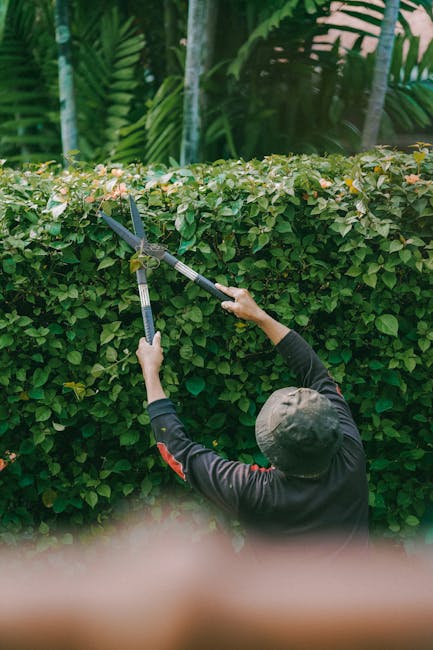
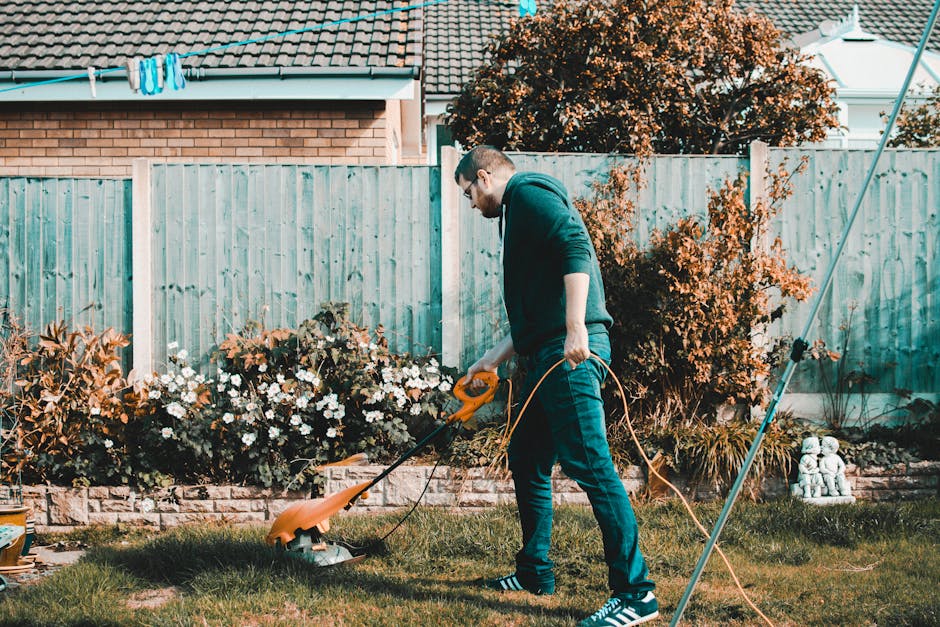
Paddington gardeners real cost guide for small gardens
If you are trying to work out what gardeners really cost in Paddington for a small garden, you are not alone. Small spaces can be deceptively fiddly: one hour of weeding turns into two, a narrow side return needs careful access, and suddenly the quote looks very different from the "quick tidy-up" you had in mind. This guide gives you a practical, honest look at the Paddington gardeners real cost guide for small gardens, so you can budget properly, compare quotes with confidence, and avoid paying for work you do not actually need.
Truth be told, small gardens often cost less overall than larger ones, but they are not always cheaper per hour. A compact courtyard in Paddington can demand more precision, better tools, and a bit more patience. That matters. And if you want to understand where the money goes, how to judge value, and what a fair quote should include, you are in the right place.
For readers comparing wider garden services, it can also help to look at related support such as pricing guidance for garden work, routine garden maintenance, and landscaping options when your small garden needs more than a simple tidy.
Table of Contents
- Why Paddington gardeners real cost guide for small gardens Matters
- How Paddington gardeners real cost guide for small gardens Works
- Key Benefits and Practical Advantages
- Who This Is For and When It Makes Sense
- Step-by-Step Guidance
- Expert Tips for Better Results
- Common Mistakes to Avoid
- Tools, Resources and Recommendations
- Law, Compliance, Standards, or Best Practice
- Options, Methods, or Comparison Table
- Case Study or Real-World Example
- Practical Checklist
- Conclusion
- Frequently Asked Questions
Why Paddington gardeners real cost guide for small gardens Matters
Paddington is a lovely part of London, but it is not always an easy place for garden work. Properties can have tight access, shared walkways, basement gardens, roof terraces, or narrow plots tucked behind period homes. That is exactly why a real cost guide matters. Without one, it is easy to assume a small garden should be cheap to maintain, then feel surprised when the quote reflects the actual labour involved.
Small gardens are rarely "small jobs" in the simple sense. A 20-minute front garden tidy can stay 20 minutes. A compact back garden with ivy, mature shrubs, overgrown borders, and no easy hose access? Not so much. You may need pruning, waste removal, edging, pressure washing, lawn care, planting, or just careful hand-weeding in awkward corners. Each layer adds time.
The other reason this matters is trust. If you understand how gardeners normally price small spaces, you can spot a sensible quote and spot a lazy one. That is a useful skill. It saves money, yes, but it also saves frustration. Nobody wants to hire someone who rushes the job, leaves clippings everywhere, and disappears before the bins are even shut.
Expert summary: In small Paddington gardens, fair pricing is usually shaped less by square footage and more by access, condition, skill required, waste handling, and whether the job is a one-off or ongoing maintenance.
If you are planning a refresh rather than a simple tidy, you may also want to explore planting and soft landscaping support or broader garden room ideas if the space needs a bigger rethink. Not every job is a mowing job, after all.
How Paddington gardeners real cost guide for small gardens Works
Most gardeners price small gardens using a mix of time, scope, and complexity. Sometimes they charge hourly. Sometimes they offer a fixed price after a visit or photos. Both approaches can be fair if the details are clear. The real question is whether the quote reflects the work needed, not just the size of the garden on paper.
For a small garden in Paddington, the main price drivers usually include:
- Condition of the garden - light maintenance is very different from reclaiming an overgrown patch.
- Access - side gates, steps, basement entrances, and shared entrances can slow everything down.
- Type of work - mowing, pruning, hedge trimming, weeding, leaf clearance, jet washing, planting, and border work all vary.
- Waste removal - green waste bags, loading, and disposal often add cost.
- Frequency - regular maintenance is usually better value than irregular rescue jobs.
- Time of year - spring and early summer can be more demanding because growth is faster.
Let's face it, gardeners do not quote from thin air. A good one will mentally picture the job: how many cuts, how much bagging, whether the trimmings can fit through the doorway without a small battle, and whether the fence line has become a tiny jungle. That picture shapes the price.
In practical terms, quotes for small gardens often fall into one of three buckets:
- Quick tidy-up - light weeding, sweeping, deadheading, and basic shaping.
- Maintenance visit - regular lawn care, pruning, bed care, and waste bagging.
- One-off restoration - heavily overgrown, neglected, or newly inherited gardens that need a proper reset.
The last one is where costs can rise sharply. A tiny garden that has not been touched for months can take longer than a medium garden that is looked after every few weeks. Small does not always mean simple.
Key Benefits and Practical Advantages
There is a real advantage to understanding local garden pricing before you book. You are not just looking for the cheapest option; you are trying to get value that matches the size and condition of your space.
Here is what a good pricing understanding gives you:
- Better budgeting - you can plan recurring maintenance without awkward surprises.
- Cleaner comparisons - quotes become easier to compare when you know what should be included.
- Less waste - literally and financially, because you will not pay for unnecessary work.
- Improved garden health - regular care usually prevents expensive rescue work later.
- More confidence - you can ask sharper questions and make informed decisions.
A well-priced small-garden visit can also be surprisingly transformative. A tidy border, fresh edging, clipped shrubs, and swept paving can make a modest Paddington courtyard feel bigger, lighter, and more welcoming. You notice it straight away when you step outside with a cup of tea at 8am and the place just feels calmer. Small win, but a real one.
There is also a practical finance angle. Regular visits are often easier to manage than a large one-off clean-up every few months. If the space stays under control, the labour stays under control too. Simple enough, but easy to ignore until the bill lands.
Who This Is For and When It Makes Sense
This guide is for anyone in Paddington who wants a small garden looked after without overpaying or under-specifying the job. That might be a homeowner, landlord, tenant with permission, flat owner with a shared outdoor area, or even someone preparing a property for sale or letting.
It makes sense to use a gardener when:
- the garden is small but awkward to maintain yourself
- you need regular upkeep and do not have the time
- you want a cleaner, more polished look for guests or tenants
- there is overgrowth, patchy lawn, or neglected planting
- you need help with pruning, feeding, and seasonal reset work
It may be less necessary if the garden is ultra-simple, such as a tiny paved terrace with a couple of planters and minimal greenery. Even then, though, many people still book occasional help for heavier jobs like hedge shaping, moss removal, or spring refreshes. That is often the sensible middle ground.
If you are managing a property with several outdoor areas, it can help to think in terms of ongoing upkeep rather than isolated tasks. Some owners also look at fencing solutions or driveways and paving work if the garden and access areas need more than maintenance alone.
Step-by-Step Guidance
If you want a realistic quote for a small Paddington garden, the process is straightforward, but the detail matters. A rushed description often leads to a rushed quote. And then everyone ends up annoyed.
1. Identify the actual work
Write down what needs doing. Be specific. "Tidy the garden" is too vague. "Weed borders, trim two shrubs, mow a small lawn, and remove green waste" is much better. If there are stairs, limited access, or a tricky entrance, mention that too.
2. Decide whether it is a one-off or recurring job
One-off clean-ups usually cost more per visit because they involve more labour and less predictability. Regular visits are often more efficient, especially in a small garden where the growth can be managed before it gets out of hand.
3. Share clear photos or arrange a viewing
Photos are useful for giving a first impression, but they do not show everything. A professional will usually want to understand access, waste volume, surface type, and whether the garden has hidden complications. A quick visit can make the quote much more accurate.
4. Ask what is included
This is where people often get caught. Does the price include waste removal? Does it cover all cuttings? Are fertiliser, plants, or materials extra? Is hedge trimming included or charged separately? Ask clearly. Nobody enjoys the "oh, that part is extra" conversation when the work is half-finished.
5. Compare on like-for-like terms
One quote may seem cheaper until you discover it excludes disposal, trimming, or follow-up tidying. Compare the same scope, the same frequency, and the same expectations. Otherwise, it is not a real comparison at all.
6. Book the right cadence
If the garden grows quickly, a monthly or fortnightly visit may be better value than occasional rescue work. Small spaces often benefit from consistency. Once they slip, they slip fast.
Expert Tips for Better Results
From a practical point of view, the best value usually comes from preventing the garden from reaching "extreme tidy" territory. A little care, done regularly, goes a long way. You do not need a grand plan. You need rhythm.
- Group tasks together - ask for weeding, pruning, edging, and waste removal in the same visit if the space needs all of them.
- Keep access easy - unlock gates, move bins, and clear pathways before the gardener arrives.
- Flag problem spots early - ivy on walls, hidden self-seeded growth, or dead shrubs can change the job quickly.
- Plan seasonal work - spring cut-backs and autumn leaf clears are often the best times to act.
- Prioritise visible impact - in very small gardens, neat edges and clean paving can matter more than adding more plants.
A small story from day-to-day reality: a tiny courtyard can look untouched for months, then one windy week later it is full of leaves, seedheads, and that mysterious fine layer of city dust. You look out the window and think, "How did it get like that so quickly?" That is exactly why regular maintenance makes sense.
One more thing: if you are building a planting scheme, choose plants that fit the space rather than fighting it. Overcrowding is a hidden cost. Too many plants mean more pruning, more watering, and more headaches. Not ideal.
Common Mistakes to Avoid
Most pricing problems come from unclear expectations rather than bad intentions. A few simple mistakes can distort the whole job.
- Assuming "small" means "cheap" - tight access and overgrowth can make small jobs surprisingly time-consuming.
- Forgetting waste disposal - cuttings can add time, bagging, and removal costs.
- Leaving out the messy bits - corners, behind sheds, and side returns are often where the real work sits.
- Comparing vague quotes - if one quote is detailed and the other is not, the cheaper one may not be better value.
- Booking too infrequently - if a garden is left too long, routine maintenance turns into clearance work.
- Choosing price over fit - the cheapest gardener is not always the best for a compact Paddington space with access quirks.
To be fair, this is where many people get caught once, then never again. It happens. The good news is that a better brief next time usually solves it.
Another common slip is not saying what outcome you want. Do you want it immaculate, or just under control? Those are not the same thing, and the cost can move accordingly.
Tools, Resources and Recommendations
For small gardens, the right tools make a noticeable difference. They reduce labour time, improve finish, and can even lower costs where the work is routine rather than highly specialised.
Useful tools and materials commonly include:
- hand shears and secateurs for precise pruning
- lightweight lawn mowers for small lawns
- spades, hand forks, and trowels for border work
- leaf collectors or rakes for seasonal clearances
- green waste bags or bins for tidy disposal
- edging tools for sharper lines in compact spaces
From a homeowner's point of view, a few simple resources help a lot: a clear list of priorities, photos of the garden after a good and bad day, and a rough idea of how often you want it maintained. That is enough to start a meaningful quote conversation.
If your small garden sits alongside an outdoor structure or needs broader improvements, you may also find it useful to review outdoor storage ideas or outdoor kitchen planning if the space is being upgraded rather than just maintained. Not every garden is only about plants. Sometimes the hard landscaping changes the whole shape of the job.
Law, Compliance, Standards, or Best Practice
For most domestic garden maintenance in Paddington, the main concern is good practice rather than heavy regulation. Still, there are sensible standards that reputable gardeners tend to follow.
These include:
- Waste handling - green waste should be bagged, removed, or disposed of responsibly as agreed.
- Neighbour consideration - in dense London streets, noise, shared access, and timing matter.
- Safe working habits - proper use of cutting tools, ladders, and powered equipment is essential.
- Clear scope agreement - both sides should understand what is included before work starts.
- Plant and surface care - avoiding avoidable damage to paving, walls, borders, and neighbouring property.
If a garden involves higher-risk tasks, such as working at height, handling heavy waste, or dealing with awkward access, a careful gardener will usually factor that into the job. In plain English: safer work generally takes longer, and that can affect cost. That is normal.
For anyone in a flat, managed building, or shared outdoor setting, it is also wise to check internal rules or building arrangements before work begins. Quiet hours, access arrangements, and disposal responsibilities can all influence the plan. Nothing glamorous there, just the kind of detail that saves headaches later.
Options, Methods, or Comparison Table
Different ways of booking garden help suit different small-garden needs. Here is a simple comparison to make the choice easier.
| Option | Best for | Typical strengths | Possible drawbacks |
|---|---|---|---|
| Hourly gardening | Unclear or flexible jobs | Good for small, changing tasks; easy to adjust on the day | Final cost can be less predictable if the garden is more overgrown than expected |
| Fixed-price tidy-up | Defined one-off jobs | Budget certainty; easier to compare quotes | May exclude extras unless scope is written clearly |
| Regular maintenance plan | Gardens that need ongoing care | Usually better value over time; keeps growth manageable | Less suitable if you only want an occasional visit |
| Seasonal visits | Spring and autumn refreshes | Good balance for low-maintenance owners | Can still allow weeds or growth to build up between visits |
For many Paddington households, regular maintenance is the sweet spot. It is not flashy, but it keeps the space presentable without turning every visit into a rescue mission. And rescue missions, frankly, are where bills like to grow legs.
Case Study or Real-World Example
Imagine a compact Paddington back garden: a narrow paved area, two raised beds, a small patch of lawn, and a fence line with climbing plants. It looks manageable at first glance. But there is leaf build-up behind the planters, some stubborn weeds in the paving joints, light pruning needed on the climbers, and a couple of bags of cuttings to remove. The access is via a side gate and down a few steps. Not dramatic, just a bit awkward.
In that sort of job, the quote is rarely about square footage alone. A gardener will usually think about:
- how long the pruning will take
- how much bagging and sweeping is involved
- whether the lawn is simply cut or needs recovery
- how easy it is to move waste through the property
- whether anything needs a second pass for finish quality
If the owner books a one-off tidy, the price is likely to reflect the time to reset the whole space. If they then switch to a monthly visit, the cost per visit may become more efficient because the job stays manageable. That is the big lesson here: the same garden can have two very different pricing stories depending on timing.
Sometimes the best outcome is not "make it perfect in one go." Sometimes it is "make it neat, then keep it that way." That is often the smarter route, especially in small urban gardens where every inch shows.
Practical Checklist
Before you ask for a quote or book a visit, run through this simple checklist. It will save time and help the gardener give you a proper estimate.
- Measure the rough size of the garden, even if it is approximate.
- List the tasks you want done: weeding, mowing, pruning, clearance, planting, washing, edging.
- Note access issues such as gates, stairs, narrow paths, shared entrances, or parking limits.
- Say whether waste removal is needed.
- Share photos from a few angles, including the worst bits.
- Decide if it is one-off or ongoing.
- Ask what is excluded so you are not guessing later.
- Confirm timing, especially if noise or neighbour access could matter.
- Set the outcome you want: tidy, maintained, or fully restored.
That list may seem simple, but it does the heavy lifting. A good brief makes a good quote. It really does.
Get a free quote today and see how much you can save.
Conclusion
The real cost of gardening in a small Paddington space depends on more than the garden's footprint. Access, condition, waste, frequency, and finish all shape the price. Once you understand that, quotes become easier to judge and your budget becomes far more realistic.
For many readers, the smartest move is not hunting for the cheapest possible visit. It is choosing the right type of help for the space you actually have. A small garden can look lovely, stay manageable, and cost less over time if it is looked after consistently. That is the part people often miss at first glance.
If your garden has been nagging at you every time you open the back door, take that as a sign. Start with a clear brief, ask for a proper quote, and build from there. A tidy, calm little outdoor space can make a bigger difference to daily life than you might expect.
And honestly, there is something nice about standing in a small garden that finally feels under control. Quiet. Green. Done properly.
Frequently Asked Questions
How much do gardeners usually charge for a small garden in Paddington?
It depends on the work, access, and condition of the space. A light tidy-up is usually priced very differently from an overgrown clear-out. For the fairest answer, ask for a quote based on the exact tasks rather than garden size alone.
Why can a small garden cost more than I expected?
Small gardens can be awkward. Narrow access, waste removal, detailed pruning, and hard-to-reach corners all take time. A tiny space with heavy overgrowth can cost more than a larger, well-kept garden.
Is hourly pricing or fixed pricing better?
Hourly pricing works well for flexible jobs or when the scope is uncertain. Fixed pricing is often better for defined tidy-ups because it gives budget certainty. The best choice depends on how clear the job is before work starts.
What should be included in a gardener's quote?
A clear quote should explain the tasks included, whether waste removal is covered, any extra charges, and whether materials are additional. If that information is missing, ask before you book.
Do I need regular maintenance or just one-off help?
If the garden grows quickly or you want it consistently neat, regular maintenance usually makes more sense. One-off help is better for occasional resets, seasonal work, or preparing the space for a specific event.
Does waste removal usually cost extra?
Often, yes. Some gardeners include green waste disposal in the quote, while others itemise it separately. It is one of the most common things people overlook, so it is worth checking early.
What details should I send when asking for a quote?
Send a few clear photos, the tasks you want done, access details, and whether you want a one-off or recurring visit. The more specific you are, the more accurate the quote is likely to be.
How can I keep costs down without cutting corners?
Keep access clear, book regular maintenance, group tasks into one visit, and avoid letting the garden become severely overgrown. Small, frequent care is usually cheaper than occasional rescue work.
Are small urban gardens harder for gardeners to work on?
Sometimes, yes. Space is limited, access can be awkward, and every detail shows. That does not mean the job is difficult in a dramatic sense, but it often requires more precision and patience.
Should I choose the cheapest quote?
Not automatically. The cheapest quote may exclude waste removal, take a shorter view of the work, or overlook finishing details. Compare like for like and choose the quote that best matches the actual job.
When is the best time to book garden work?
Spring and autumn are often sensible times for tidying, pruning, and seasonal resets. That said, if the garden is becoming unmanageable now, there is no need to wait for a perfect season.
Can a gardener help if the garden is badly neglected?
Yes, most can, but neglected gardens usually need more time and a different approach. It is best to be honest about the condition so the quote reflects the real work needed. That way you avoid surprises on either side.